Manufacturing teams are under constant pressure from tight schedules, aging equipment, and narrow margins — and unplanned downtime is one of the most expensive consequences. According to a 2025 Fluke Corporation survey, 61% of manufacturers experienced unplanned downtime in the past year, with nearly half reporting six to ten incidents every week.
That reality is pushing plants toward a new generation of maintenance technology. Instead of relying on paper logs, spreadsheets, and tribal knowledge, manufacturers are adopting preventive maintenance software for manufacturing to digitize how equipment care gets planned, tracked, and improved over time. Here’s a look at the technology trends reshaping the space.
In This Article:
From Spreadsheets to Centralized Platforms
The biggest shift in maintenance technology isn’t a single feature — it’s consolidation. Modern platforms bring inspection records, repair notes, meter readings, and work orders into one searchable system instead of scattered files and message threads. This centralization is what makes the rest of the technology stack — automation, analytics, and mobile access — possible in the first place.
Cloud-Based Software Enables Multi-Site Standardization
As manufacturers expand across multiple facilities, cloud-based maintenance platforms have become the connective tissue between them. A shared system lets organizations standardize procedures, asset categories, and reporting formats across every plant while still giving local teams room to manage daily priorities. Leadership gains an apples-to-apples view of performance across sites — something that was nearly impossible with disconnected, plant-specific systems.
Mobile Technology Moves Maintenance to the Floor
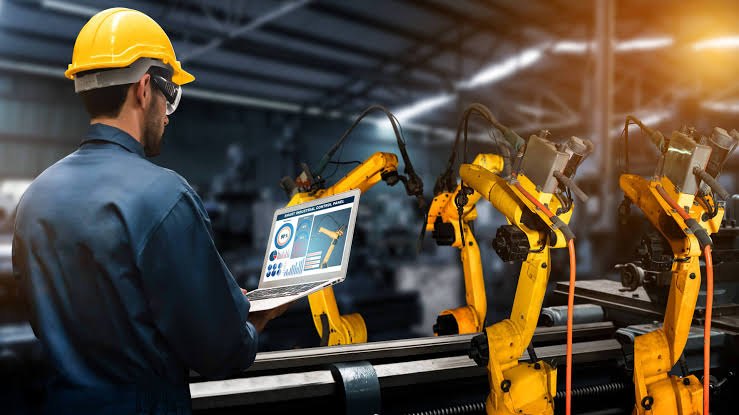
Maintenance technicians spend their day near equipment, not at a desk, and software has followed them there. Mobile apps now let technicians open assignments, follow digital procedures, log readings, capture photos, and close out work orders directly from the plant floor. This isn’t just a convenience feature — data entered in real time, at the point of work, tends to be more accurate than notes reconstructed at the end of a shift.
Automation Replaces Manual Scheduling
Recurring maintenance used to depend on someone remembering to build a calendar. Today’s software automates scheduling based on time intervals, run hours, cycles, or live meter readings, generating assignments without manual input. This kind of automation is especially valuable as teams try to cover more assets with fewer people — a growing challenge as experienced maintenance staff retire and skilled labor becomes harder to replace.
Digital Work Orders Improve Accountability
Software-driven work orders give technicians everything they need in one digital record: asset details, priority, procedure, required parts, and safety notes. Photos and readings can be attached to verify the job before it’s marked complete. This digital trail also supports compliance — agencies like the FDA require documented equipment maintenance under current good manufacturing practice rules, and software makes that documentation far easier to produce and retrieve.
Inventory Integration Prevents Delays
Even well-scheduled maintenance stalls when the right part isn’t on hand. Modern platforms integrate parts data directly into the workflow, connecting tasks to inventory, usage history, and reorder points. This integration gives planners better visibility into demand and helps finance teams understand which assets drive the most material cost — turning inventory from a guessing game into a data-backed process.
Analytics Turn Maintenance Data Into Decisions
Perhaps the most valuable shift in maintenance technology is the move from simple task-tracking to genuine analytics. Instead of just counting closed work orders, modern software surfaces overdue tasks, repeat failures, repair duration, and asset-level trends. Leaders can use these signals to guide decisions on training, equipment replacement, or operating changes — replacing memory and assumptions with actual data.
Digital Records Strengthen Safety Programs
Safety-critical equipment — guards, lifts, valves, sensors, emergency stops — depends on consistent checks. Digital maintenance records show exactly who completed each task, when, and with what supporting evidence. That visibility helps organizations catch missed safety work before it becomes a serious incident, and it creates a reliable record for internal reviews and audits.
Built-In Reporting Tools Support Better Budgeting
Maintenance software increasingly doubles as a budgeting tool. By tracking repair frequency, labor time, and parts consumption automatically, platforms give finance and operations leaders the data they need for capital planning and vendor negotiations — and they make it possible to clearly separate planned maintenance costs from emergency spending.
Technology Only Works With Adoption
None of these tools deliver value unless people actually use them. The manufacturers seeing the strongest results tend to choose software with simple interfaces, clear task views, and training that mirrors real daily routines. Overly complex systems lead to incomplete records and low adoption — the opposite of what the technology is meant to solve.
The Bigger Picture
Maintenance technology has moved well beyond digitizing paper checklists. Today’s platforms combine mobile access, automation, inventory integration, and analytics into a single system that helps manufacturers protect uptime, safety, and budgets — all while doing more with leaner teams. As margins tighten and skilled labor becomes scarcer, this kind of software is quickly becoming a core part of how manufacturers operate, not just an optional upgrade.