Creative people and the companies they work for often have this firm belief that as long as they produce quality content, the audience will find and love it. They pour time, money, and effort into writing thoughtful pieces, shooting compelling videos, and recording interactive podcasts, but when they hit “publish,” they get no reaction.
Someone might give them a “like,” others might leave a comment, but the big, intense traffic the company was envisioning wouldn’t come. Why? Because even the most brilliant content fails without a clear distribution strategy. Find out why it happens and what you can do to solve this problem.
In This Article:
Common Reasons Great Content Fails
Content creators often try to sprinkle their works with extra creativity. Many realize that the public loves watching videos of how ads, podcasts, or even articles were crafted, so they learn how to screen record on a MacBook and demonstrate their creation process in all its vivid details. With Mac’s features and extra tools, it’s easy to capture just a part of a screen or everything at once: the choice depends on individual creators’ decisions and their audience’s preferences.
In the past, adding this little part of the background to the published content was enough to intrigue more people and make them watch, read, or listen. Today, though, it’s getting harder and harder to stand out, and quality has nothing to do with it. Here is why even the best content might fail:
Overreliance on organic reach. Competition is fierce, and algorithms change constantly; there are millions of talented content creators, so organic reach is no longer as effective as it used to be. Paid promotions are inevitable for success.No defined audience. It’s important to choose whom your content is for prior to creating it. The basics of good distribution start with knowing your target audience and identifying where they spend time.Poor timing. If you don’t know the ideal time for posting your content, it likely won’t reach that many people even if luck is on your side. Understanding peak engagement hours and seasonal trends is a pillar of successful content.Ignoring analytics. Younger businesses and inexperienced content creators hold naive hope that just posting content is enough; they skip analytics, and it’s a fatal mistake. You need to understand which channels drive the highest engagement.
Unless you keep each of the mentioned points under tight control, the content you produce will likely keep failing.
How to Build a Clear Distribution Strategy
Building an effective distribution strategy requires multiple steps, but at the very least, you need to follow three of them. Check them out below.
Audience Mapping
Understanding your audience, their quirks and preferences, is the heart of every distribution strategy. This is what you should pay attention to:
To create successful content that drives engagement, you should learn everything about the demographics you’re targeting. Find out how old your core audience is, where they are located, and what background most of them come from.Go deeper by analyzing the psychology of your audience. You need to understand why they might be interested in your products, what motivates them to make a purchase, and what their pain points are.The next stage is establishing which platforms these people favor. It can be TikTok, Facebook, Instagram, or some niche forum; your content has to be adapted to these websites from the start.
For example, Facebook has over 3 billion active users monthly, so every company hoping to promote its content must take this fact into account if they want to reach more people. What kind of people are these, though? In what region do they live? At what time of the day are they most active? Answering these questions can help you hone your marketing strategy and adapt it for specific markets.
Channel Selection and Content Adaptation
Once you determine your audience and the social media platforms they frequent, you need to figure out how to adapt your content to them. Each platform has unique pros and cons, as well as individual quirks.
Some of them allow only short posts; others prefer video content. Platforms like LinkedIn expect everyone to use more formal and official language, while Instagram thrives on lighter interactions. By tailoring their content accordingly, companies can maximize its relevance and fuel better engagement.
Promotion Mix
A balanced promotion strategy should combine organic and paid methods. You also need to consider several platforms instead of sticking to just one.
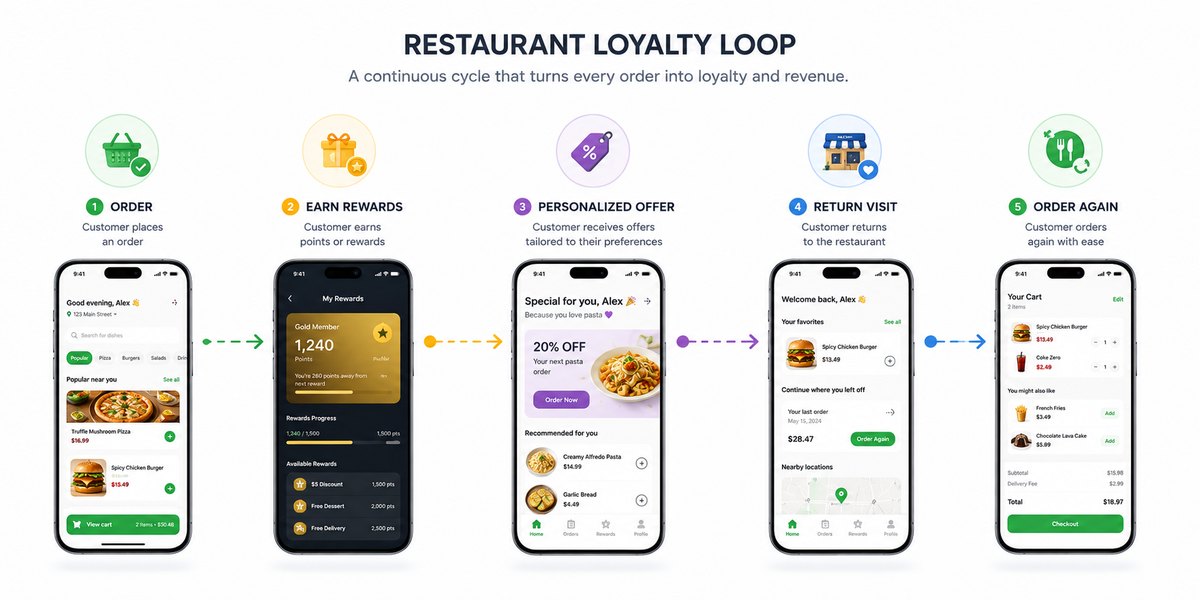
For instance, last year, TikTok was considered a social media website responsible for setting the biggest number of trends, so even if your core audience doesn’t spend most of their time there, you should still release some content adapted to it. Here is what else you should do:
Work on organic promotion by doing SEO optimization, enabling social media sharing, sending newsletters, etc.Include paid promotion by releasing targeted ads and striking partnerships with influencers. If they promote your content, you’ll see a spike in engagement.Create one message and reshape it to suit different platforms, appealing to audiences in multiple ways at once.
Analyze what works best for your content, and you’ll see which areas deserve more attention and resources.
Combining Excellent Content with Effective Marketing
In 2026, the market is oversaturated, so releasing quality content isn’t enough to intrigue the audience and compel them into making a purchase. You need to know how to distribute it and make sure that your target audience actually sees it.
Find out what kind of people you’re targeting. Learn everything about their interests, problems, and habits. Develop content for different social media platforms, tailoring its format and style accordingly, and invest both in organic and paid promotion. It’ll bring you far more satisfying results in the long run.