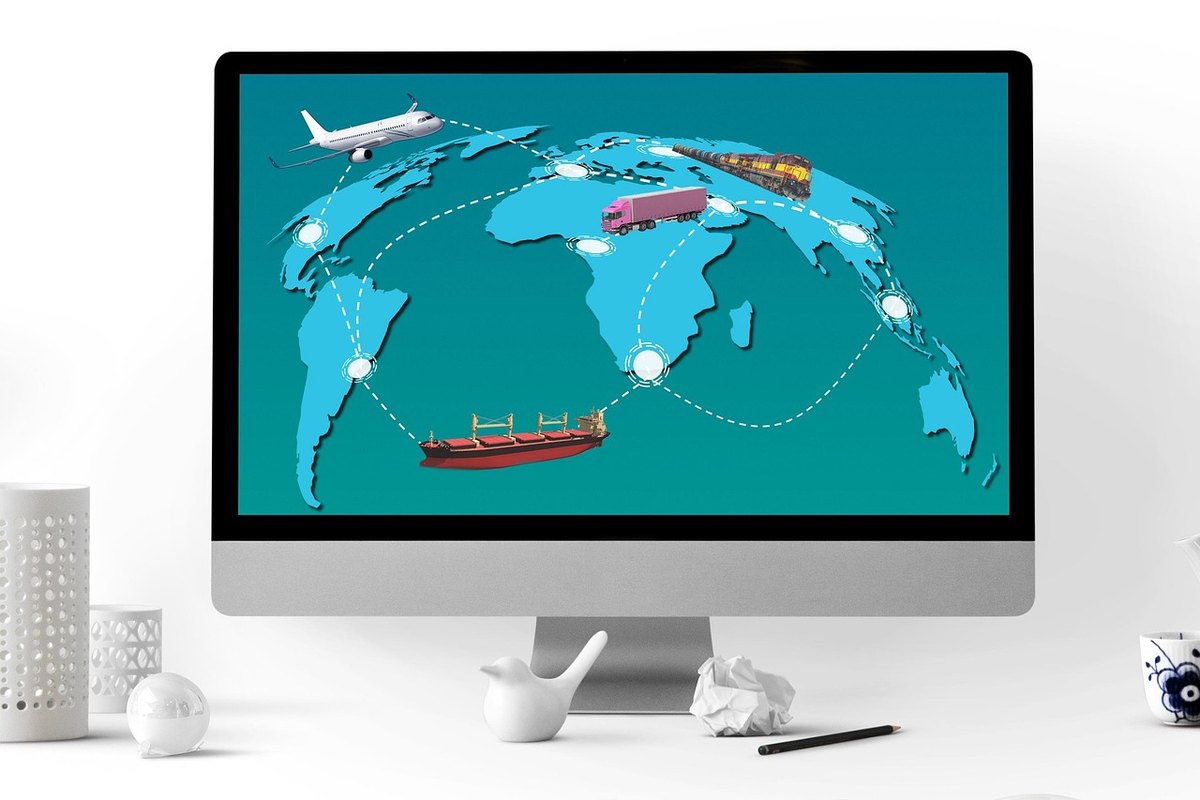
Supply Chain 4.0 can cut lost sales by up to 75%, lower transport and warehouse costs by up to 30%, and reduce admin costs by up to 80%. That is a big deal. It means better data can save money, speed up work, and reduce daily chaos.
For modern supply chains, data has become less of a “nice extra” and more of a survival tool.
In This Article:
Data Helps Teams See What Happens
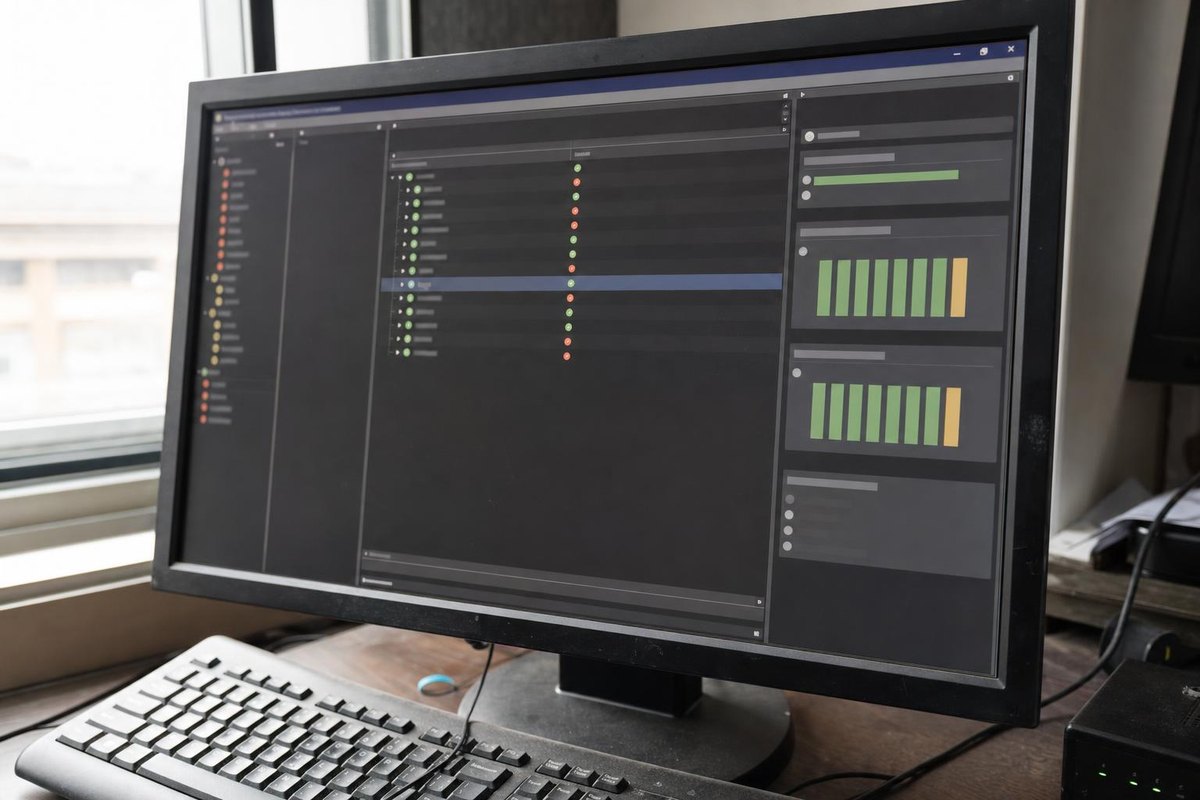
A modern material handling system does more than move products around. When it connects with data, it shows where goods are, how fast they move, and where delays happen.
That helps teams fix problems before they grow. Instead of guessing why orders take too long, managers can see the issue clearly. Less guessing means fewer mistakes. It also means fewer “Who moved this pallet?” moments.
Forecasts Become More Useful
Supply chains need good forecasts. Without them, teams either buy too much stock or run out at the worst time. With the right data, companies can study sales history, busy seasons, customer habits, and market changes.
That makes demand forecasts more useful. No system can predict the future perfectly, of course. If it could, we would all use it to pick lottery numbers. Still, better data helps companies plan stock, labor, and transport with more confidence.
Inventory Stays Under Control
Too much inventory costs money. Too little inventory causes delays, lost sales, and unhappy customers. Data can help companies find the middle ground. Tools tracking inventory in real time show current stock, reorder points, supplier lead times, and demand changes.
Teams can see which items move fast and which ones sit too long. This helps in reducing waste and freeing up cash. It also keeps warehouses cleaner, calmer, and easier to manage.
Warehouses Move Faster
Warehouse data can show how long orders take, where workers spend time, and which areas slow things down. This helps managers improve layouts, product locations, and daily tasks. For example, fast-moving items can sit closer to packing areas.
That saves time with every order. One small change may not look huge, but thousands of small savings add up quickly. In a busy warehouse, five saved seconds can become a very nice number.
Transport Costs Become Easier to Spot
Transport costs can hide in many places. Fuel, poor routes, late trucks, empty miles, and long wait times all add up. Data helps logistics teams compare carriers, plan better routes, and track delivery performance.
It also helps them spot repeat problems. If one route always causes delays, the team can change it. If one carrier misses too many windows, that becomes clear too. Data makes transport less messy and more predictable.
Supplier Performance Gets Clearer
Every supplier sounds great in a sales call. Data shows what actually happens after the order. Companies can track lead times, late deliveries, damaged goods, price changes, and order accuracy, which helps procurement teams compare suppliers.
A cheap supplier may cost more in the long run if delays happen often. A slightly more expensive supplier may protect the whole operation. With good data, those choices become easier.
Equipment Problems Drop
Machines rarely break at a convenient time. They prefer busy days, urgent orders, and moments when everyone already feels stressed. Data can help here, too. Sensors track heat, vibration, speed, and error codes, and maintenance teams can use that data to spot problems early.
That means repairs can happen before a full breakdown. Less downtime means smoother work, fewer delays, and fewer people staring at a silent machine with betrayal in their eyes.
People Make Better Decisions
Data does not replace people. It helps people make better decisions. A warehouse manager can move staff before a rush hits. A planner can adjust stock before a shortage grows. A logistics team can react before delivery delays pile up.
Good data gives everyone the same picture. That reduces confusion and long debates. Teams can spend less time asking “What happened?” and more time asking “How do we fix it?”
Customers Feel the Difference
Customers may never see your dashboards. They may not care about warehouse software or transport analytics. They care about simple things: correct orders, clear delivery dates, and fewer delays.
Data helps companies deliver those things. Better tracking means better updates. Better planning means fewer stockouts. Better transport data means more reliable delivery. When customers get what they expect, they trust the company more. That trust matters a lot.
Start With One Clear Problem
A company does not need to fix everything at once. That can turn into a giant project that scares everyone, including the budget team. A smarter plan starts with one problem. Maybe inventory counts are wrong.
Maybe orders ship late. Maybe one supplier causes constant delays. Choose the problem, track the right data, and improve from there. Small wins create trust. Then teams can expand the system step by step.
Final Thoughts
With data-driven operations, supply chains are faster, smarter, and less stressful. They improve forecasts, inventory, warehouse flow, transport, supplier choices, and equipment care.
The real value does not come from data alone. It comes from clear action based on that data. Customers now expect speed and accuracy. Better data helps companies deliver.