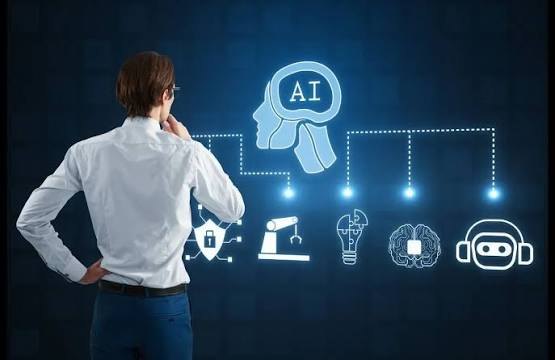
Artificial intelligence is changing how organizations assess work, guide employees, and support career growth. Older review cycles often depend on scattered notes, delayed feedback, and uneven manager recall. Newer systems can organize patterns, clarify comments, and connect individual progress with team priorities. Still, human judgment remains essential. For organizations focused on fairness, accountability, and better coaching, this shift offers practical value without removing care from people’s decisions.
Reviews Become More Useful
Managers need evidence before discussing performance, yet review cycles can leave them sorting through mixed comments and incomplete notes. With performance management software with AI, review responses, goal updates, meeting records, and survey themes can be organized into clearer patterns. That helps leaders identify progress, risk, and coaching needs sooner, while employees receive guidance tied to documented work.
Feedback Gets Clearer
Vague feedback can leave employees anxious, confused, or unsure about what to change. AI-supported writing tools can help managers convert broad remarks into behavior-based observations. A note about collaboration, for example, can become a comment about response time, shared planning, or follow-through. Managers still need to review each sentence, add context, and protect the employee’s dignity.
Bias Checks Improve Fairness
Review language can carry bias, even when a manager has good intent. AI can flag comments that sound personal, unsupported, or inconsistent with rating standards. That matters because wording can influence pay, promotion, and trust. Human resources teams still need training, calibration, and policy oversight. Automated checks simply make weak review patterns easier to catch before decisions are final.
Goals Become Easier To Track
Strong goals are clear, measurable, and connected to real business outcomes. AI can help draft objectives with timelines, success markers, and practical milestones. It can also compare progress across teams without requiring managers to review every update manually. Better visibility helps leaders see stalled priorities sooner. Employees benefit too, because expectations become easier to revisit during regular coaching.
Surveys Create Action Faster
Employee surveys often contain useful signals hidden inside open comments. AI can group repeated themes, compare sentiment across cohorts, and highlight concerns that need prompt attention. Leaders can then move from raw feedback to action planning with less delay. Privacy still matters. Small samples, sensitive remarks, and identifiable details require careful review before any conclusion is shared.
Meetings Gain Better Memory
One-on-one meetings often include development goals, blockers, and follow-up commitments. AI summaries can capture key points, next steps, and recurring coaching themes. AI is making performance management more timely, consistent, and grounded in documented evidence. It can improve feedback, track goals, summarize surveys, and preserve meeting history. That record helps managers prepare for later conversations without having to search through scattered notes. Employees also benefit when commitments stay visible. Growth plans become easier to refine because prior discussions remain organized and accessible.
Reporting Becomes More Practical
Performance data is most useful when leaders can ask focused questions and receive clear answers. AI can summarize review cycles, compare trends, and explain patterns in plain language. Employee surveys often contain useful signals hidden inside open comments. AI can group repeated themes, compare sentiment across cohorts, and highlight concerns that need prompt attention. Instead of waiting for manual reporting, teams can see gaps in goal progress, feedback quality, or engagement. Better reporting supports decisions, while responsibility for judgment stays with people.
Controls Matter
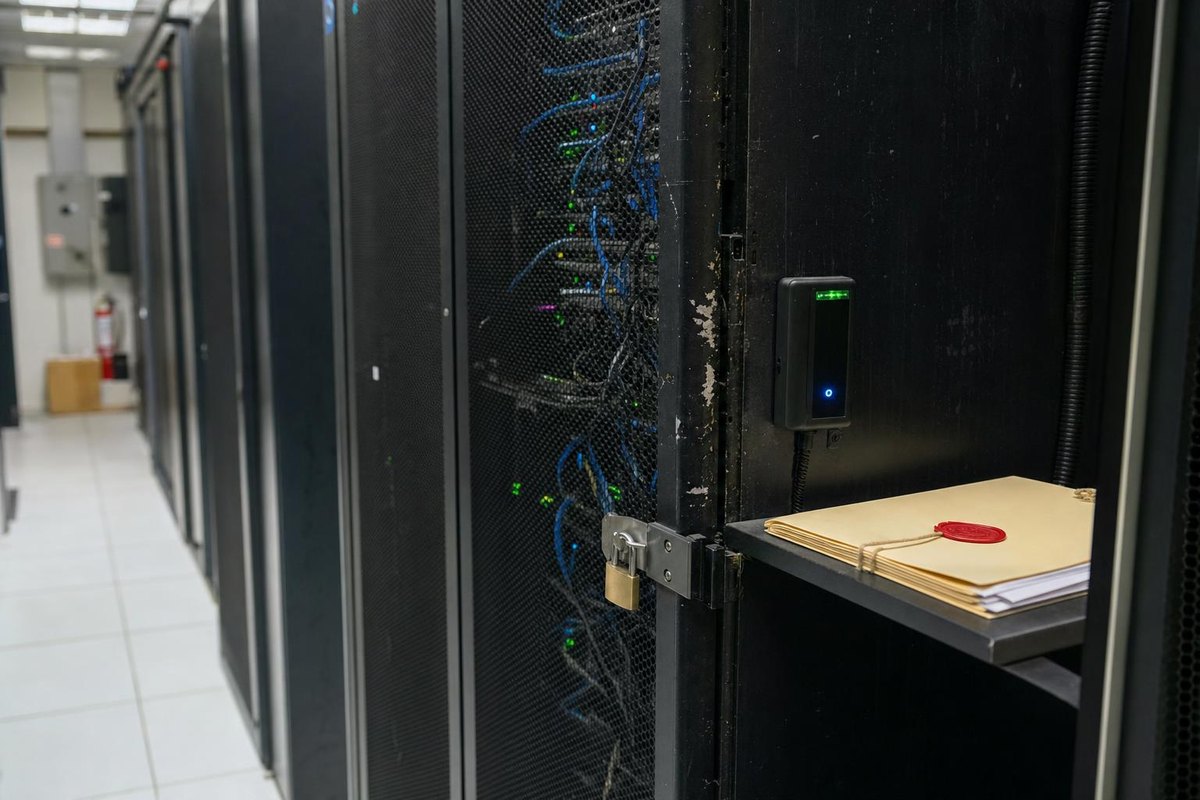
AI needs firm controls because performance records include sensitive employee information. Human resources teams should define which features are active, what content can be summarized, and who can view outputs. AI is making performance management more timely, consistent, and grounded in documented evidence. It can improve feedback, track goals, summarize surveys, and preserve meeting history. Access permissions, audit trails, and security reviews deserve the same attention as speed. Trust grows when employees know the system supports fair decisions rather than hidden scoring.
Conclusion
AI is making performance management more timely, consistent, and grounded in documented evidence. It can improve feedback, track goals, summarize surveys, and preserve meeting history. The strongest results come when organizations pair automation with clear standards, privacy safeguards, and human review. Software can reduce administrative strain, but managers still need empathy, judgment, and follow-through. Used carefully, AI helps performance conversations become more useful for growth.