In This Article:
Introduction to iOS Development in 2026
It’s stated that roughly 1.46 billion people worldwide use iPhones, accounting for about 18% of the global population. In the United States, there are approximately 143 million iPhone users, representing over 50% of the country’s smartphone-owning population. User demands are driving continuous innovation and improvement of iOS applications, which comes with continuous improvements and changes to the hardware and Apple’s ecosystem. With the release of each new iOS device, previously unimagined functionality becomes available, and developers are challenged to innovate the way their apps utilize the new and improved iOS device features and functionality, such as enhanced sensors, cameras, and processing capabilities.
Apple’s user base has come to expect apps to respond to user input in an intelligent manner and incorporate other third-party applications seamlessly. The iOS application market is very competitive, and in order to get their apps noticed, developers have to come up with new and improved ways to get their apps to stand out. Developers implement new iOS device features as quickly as possible to keep their app relevant.
Why iOS Apps Keep Evolving
Apple keeps making advancements in its iOS applications because of three things. They are user demand, hardware, and Apple refinement. When Apple releases a new device, they add new capabilities. These new capabilities can help developers rethink how applications can use the device’s sensors, cameras, and processing power. These new capabilities give Apple the ability to respond to user demand. User demand includes apps that respond intelligently, apps that respond instantly, and apps that integrate with other services without forced integration.
When the market competes with other applications, it also advances. There are over a million applications that are in the app market. Developers have to differentiate their applications through high performance, high-quality app design, and the addition of unique features. Developers are pushing themselves to add new technologies to their applications, especially if those technologies are cutting-edge. When users use apps that offer high performance, they are more likely to demand more advanced applications. When advanced applications are demanded, and developers are supplying cutting-edge, advanced-performing apps, a feedback loop is created.
There are also new regulations and ethical considerations, especially regarding the privacy and accessibility of the applications. Developers have to integrate regulations regarding user privacy along with effective apps that give users rights in the app.
Major iOS App Trends in 2026
The following trends are shaping iOS app development in 2026, highlighting the technologies and approaches that are most influential for developers and users alike.
| Trend | Description | Benefits / Key Points |
| Swift Programming | Swift is the primary language for iOS development due to its safety, modern syntax, and concurrency capabilities. It enables apps to perform multiple tasks simultaneously. | Faster, more efficient apps; reduced errors; smoother multitasking. |
| Artificial Intelligence (AI) | AI is integrated into apps for predictive functionality, recommendations, and intelligent automation. On-device machine learning reduces latency and improves privacy. | Smarter user interactions; personalized experiences; optimized workflows. |
| Augmented Reality (AR) & Virtual Reality (VR) | AR and VR are increasingly used in AR-based navigation and VR-based educational simulations. Apple’s ARKit and advanced sensors facilitate richer experiences. | Immersive user experiences; enhanced learning and engagement; interaction with digital information in real-world contexts. |
| Cross-Device Functionality | iOS apps are designed to work across iPhone, iPad, Mac, and Apple Watch while maintaining consistency in features and UI. | Continuity for users; consistent experience across devices; easier multitasking and transitions. |
By understanding these trends, developers can create applications that are not only functional but also deliver a superior experience across devices and user needs.
Mobile Accessibility in iOS Apps
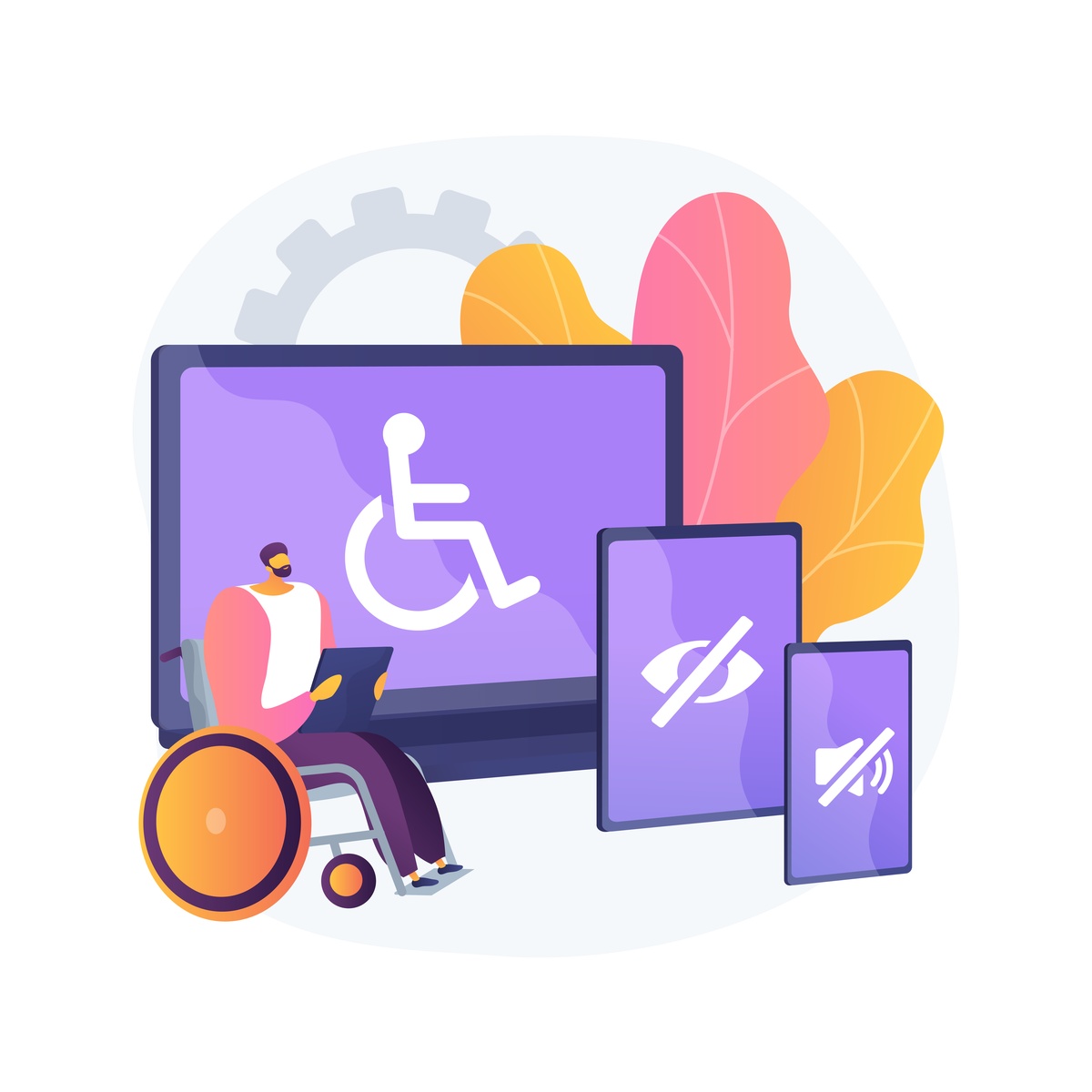
Accessibility is an essential aspect of design when trying to reach a broader target audience. Building apps with accessibility options is an important quality for businesses because it helps them communicate with and include those with disabilities, such as visual, auditory, or motor impairments. Businesses wanting to hire iOS developer are looking for those with experience in user accessibility app development. This is now a requirement for the job, rather than just an accessibility requirement to help you get the job.
Apple has offered accessibility features for a long time and continues to improve them with VoiceOver, the Magnifier, AssistiveTouch, and differently sized texts. In addition to these features, Apple users can use the accessibility tools to set up different audio and visual inputs, screen modifications, and descriptions to help them customize their experience. If app developers include all of these tools in their designs, users of all abilities will have a functional and enjoyable experience.
Developers can create the best user experience by using Apple’s accessibility benchmarks, tools, and organized testing. Durable, adaptable designs are easier to implement than to redesign, especially when developers include accessible design such as contrast, text that can be customized, and smart design. To ensure that dead space is useful to the greatest number of users, developers need to do accessibility testing. To ensure that dead space is useful to the greatest number of users, developers need to perform mobile accessibility testing. This will improve the app’s performance and compliance and will identify areas that need to be fixed.
iOS App Design and User Experience (UX)
In 2026, designs and user experiences focus on clarity, responsiveness, and smart adaptability to ensure apps feel intuitive and engaging for all users.
- Simple, clean, and adaptive designs. In 2026, focus will be on minimalist designs that emphasize adaptability. Clean designs create less cognitive load on users, allowing them to quickly process information and complete tasks. Adaptive designs will change based on device type, orientation, and screen size when they are being used on an iPhone, iPad, or Mac. Designs will be focused on typographical and spacing adjustments to maintain attractiveness and readability without overloading.
- New flexible app navigation. In 2026, app navigation will be based on user expectations that have been formed by years of mobile usage. Modern apps will include gesture controls, contextual menus, and smart shortcuts to improve accessibility. Developers have also focused on predictive navigation to help users flow through each step of the process to improve productivity.
- Personalized user experience. Personalization is getting taken to the next level. Apps are being used to see how users behave on-device to optimize layouts, on top of other things such as adjusting the emphasis of features, and changing the time-sensitive content that is being displayed to users. When users see time-sensitive content, they appreciate the effort more, rather than just seeing generic content that is non-time sensitive. By predicting what the user will do, the app feels more responsive and improves the experience.
Conclusion
In 2026, definitive trends identified for shaping the landscape of iOS development include the consideration of performance, innovation, and user-centric design. With the dominance of Apple’s Swift programming language and the integration of various AI tools, as well as the increasing incorporation of AR/VR technologies, iOS developers are creating applications that are faster, smarter, and more versatile. Perhaps more importantly, accessibility and user privacy are now prioritized during application development.
Developers and businesses alike realize these changes portray the value of utilizing modernized applications for iOS development. Conversely, customers will gain access to iOS applications that will be effortless to navigate, responsive, and will value the user’s privacy while providing enhanced features and user experiences.
By analyzing these trends, the type of iOS applications that will transform the user experience ecosystem can be identified, which will set high user experience and design standards for developers and users of the iOS ecosystem.